

A management framework for organizing model-specific training, documentation and follow-up questions.
Train for the actual configuration
Training should correspond to the model, software and accessories that will be used. A demonstration of another platform may be informative, but it is not a substitute for instruction on the delivered system. Ask the supplier to identify the scope and prerequisites of the proposed training.
Separate orientation from competence
An introduction to controls, documentation and support contacts helps people get started. It does not by itself establish clinical competence. Organizations should use their applicable professional and institutional processes to determine who may operate the equipment and under which conditions.
Make reference material easy to find
Provide access to the current instructions for use and the organization’s relevant procedures. Record where operators can find approved guidance and how they report unanswered questions. Avoid relying on a personal notebook or a photograph of settings as the main training reference.
Plan for staff changes
A handover process should remain usable when a new operator joins or an experienced colleague leaves. Identify who coordinates refresher instruction and how approved changes are communicated. Good training management links people, equipment and current documents; it does not turn a short sales session into a permanent authorization to use every function.
Explore related JLT Medical information or contact our team for the current model-specific documentation.
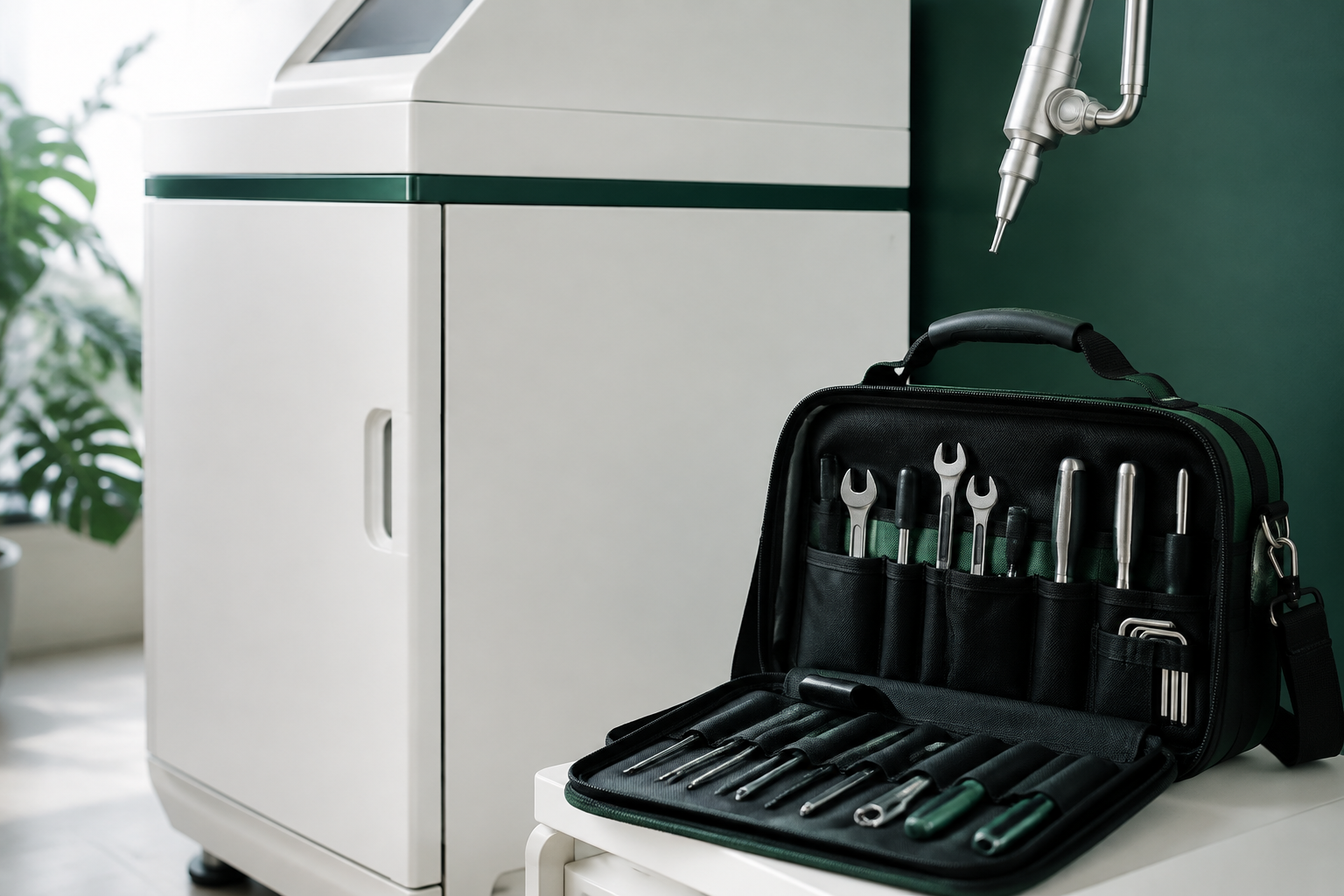
Cover: AI-generated editorial illustration, not a photograph of a specific JLT product. This article is for equipment information and planning; follow the applicable instructions for use and qualified professional guidance.